
Description
Retatrutide Peptide: Complete Guide to Triple Receptor Research and Metabolic Science
The world of peptide research is evolving rapidly, introducing innovative compounds that help scientists better understand metabolism, energy balance, and hormone signaling. Among the latest advancements is Retatrutide, an investigational peptide that has attracted significant attention because of its unique ability to activate three different metabolic receptors simultaneously.
Unlike traditional research peptides that focus on a single biological pathway, Retatrutide is designed to target GLP-1 (Glucagon-Like Peptide-1), GIP (Glucose-Dependent Insulinotropic Polypeptide), and glucagon receptors. This triple-receptor mechanism has made it one of the most promising compounds for laboratory studies involving obesity, glucose metabolism, endocrine function, and energy regulation.
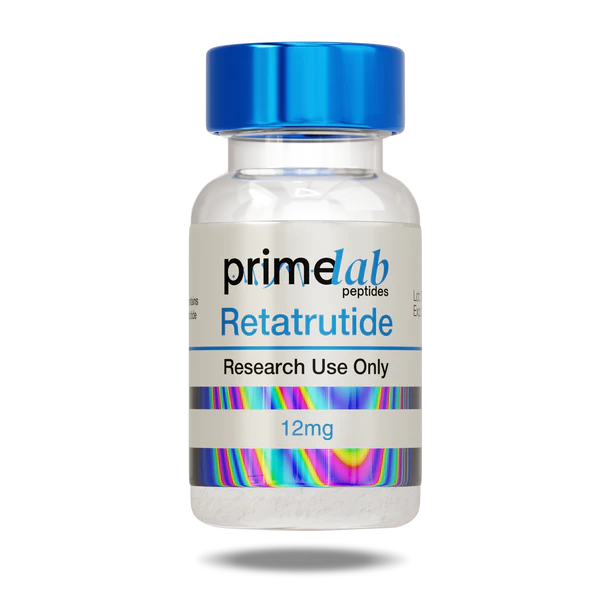
Retatrutide – 12mg is a high-quality, research-grade peptide manufactured exclusively for scientific and laboratory investigations. It is intended for use by qualified researchers conducting controlled experimental studies and is not approved for therapeutic or clinical applications.
Research Use Only: Retatrutide – 12mg is intended exclusively for laboratory research. It is not approved for human consumption, medical treatment, or veterinary use.
What is Retatrutide?
Retatrutide is a synthetic peptide developed to activate three hormone receptors that play essential roles in metabolic regulation:
- GLP-1 (Glucagon-Like Peptide-1) receptor
- GIP (Glucose-Dependent Insulinotropic Polypeptide) receptor
- Glucagon receptor
This unique triple-agonist approach allows researchers to investigate how these pathways interact to regulate appetite, glucose metabolism, energy expenditure, and hormonal communication.
Retatrutide has become an important subject in metabolic research because it enables scientists to study multiple physiological systems using a single investigational compound.
How Does Retatrutide Work?
Retatrutide is designed to interact with several hormone receptors involved in metabolism and energy balance.
GLP-1 Receptor Activity
The GLP-1 receptor is widely studied for its role in metabolic regulation and endocrine signaling.
Research Areas
- Appetite regulation
- Satiety signaling
- Glucose homeostasis
- Hormonal communication
- Energy metabolism
GIP Receptor Activity
The GIP receptor contributes to nutrient sensing and metabolic regulation.
Scientists Study
- Hormonal signaling
- Insulin-related pathways
- Nutrient metabolism
- Cellular energy utilization
- Endocrine communication
Glucagon Receptor Activity
Researchers investigate glucagon receptor activation for its role in maintaining energy balance.
Current Research Includes
- Energy expenditure
- Fat metabolism
- Liver metabolism
- Cellular signaling
- Metabolic adaptation
Why is Retatrutide Important in Scientific Research?
Retatrutide has become one of the most exciting peptides in metabolic science because of its innovative design and broad research potential.
Triple Receptor Mechanism
Most investigational peptides focus on one receptor, while Retatrutide allows scientists to study three interconnected metabolic pathways simultaneously.
Expanding Metabolic Research
Researchers continue to investigate Retatrutide in studies related to:
- Metabolic disorders
- Obesity research
- Appetite regulation
- Hormone signaling
- Glucose metabolism
- Energy homeostasis
Advanced Peptide Technology
Its unique molecular design provides researchers with opportunities to explore complex biological systems in greater detail.
Potential Research Applications
Metabolic Health Research
Metabolism involves numerous biological pathways working together to regulate energy production and nutrient utilization.
Research Focus
- Cellular metabolism
- Energy production
- Metabolic signaling
- Hormonal regulation
- Biological adaptation
Weight Management Research
Retatrutide is widely studied in laboratory models involving body weight regulation.
Areas of Investigation
- Appetite control
- Satiety mechanisms
- Food intake behavior
- Energy expenditure
- Body composition
Glucose Metabolism Research
Scientists continue studying Retatrutide to better understand glucose regulation pathways.
Research Topics
- Glucose homeostasis
- Insulin signaling
- Pancreatic biology
- Endocrine regulation
- Metabolic biomarkers
Endocrine Research
Hormonal communication remains one of the primary focuses of Retatrutide research.
Scientists Investigate
- Hormone receptors
- Cellular signaling
- Endocrine communication
- Metabolic hormones
- Biological regulation
Cardiometabolic Research
Researchers also investigate Retatrutide in broader cardiometabolic studies.
Current Areas of Study
- Lipid metabolism
- Energy utilization
- Cardiometabolic biomarkers
- Vascular biology
- Systemic metabolism
Obesity Research
Retatrutide has become an important investigational compound in obesity-related scientific research.
Research Includes
- Fat metabolism
- Energy balance
- Nutrient utilization
- Metabolic adaptation
- Hormonal interactions
Benefits of Retatrutide in Laboratory Research
Researchers value Retatrutide because of its innovative biological profile.
Multi-Receptor Investigation
Allows simultaneous research involving GLP-1, GIP, and glucagon receptors.
Broad Scientific Applications
Suitable for multiple research disciplines including endocrinology, metabolism, peptide biology, obesity research, and cardiometabolic science.
Reliable Research Quality
Manufactured according to strict quality standards for scientific investigations.
High Research Interest
Retatrutide continues to receive growing attention in the scientific community because of its novel triple-receptor mechanism.
Key Features of Retatrutide – 12mg
High-Purity Research Peptide
Manufactured using rigorous quality control to ensure consistency and reliability.
Lyophilized Formulation
Freeze-dried to maintain peptide stability and support long-term laboratory storage.
Convenient 12mg Presentation
Designed for a wide variety of research protocols.
Research-Grade Quality
Produced exclusively for laboratory and experimental applications.
Storage Guidelines
Proper storage is essential for maintaining peptide integrity.
Recommended Storage Conditions
- Store refrigerated at 2°C–8°C
- Protect from direct sunlight
- Keep the vial tightly sealed
- Avoid repeated freeze-thaw cycles
- Follow standard laboratory handling procedures
Frequently Asked Questions
What is Retatrutide used for?
Retatrutide is an investigational research peptide studied in laboratory settings involving metabolism, GLP-1, GIP, and glucagon receptor biology, glucose regulation, appetite signaling, and endocrine research.
Why is Retatrutide different from other peptides?
Retatrutide is unique because it is designed to activate three metabolic receptors simultaneously, allowing researchers to investigate multiple biological pathways within a single experimental compound.
Is Retatrutide approved for human use?
No. Retatrutide – 12mg is intended exclusively for laboratory research and is not approved for human consumption, therapeutic use, or veterinary applications.
Which research fields commonly use Retatrutide?
Retatrutide is commonly investigated in:
- Metabolic research
- Endocrinology
- Obesity research
- Hormone signaling
- Energy metabolism
- Cardiometabolic research
- Peptide science
How should Retatrutide – 12mg be stored?
Store refrigerated between 2°C and 8°C, protect from direct light, keep the vial sealed, and follow standard laboratory storage procedures.
Why Choose Retatrutide – 12mg?
Retatrutide – 12mg is manufactured to meet the needs of researchers requiring a high-quality investigational peptide for advanced laboratory studies. Its triple-receptor activity, high purity, and reliable formulation make it an excellent choice for metabolic and endocrine research programs.
Researchers studying obesity, hormone signaling, glucose metabolism, and energy regulation continue to recognize Retatrutide as one of the most innovative peptides currently under scientific investigation.
Conclusion
Retatrutide represents a significant advancement in peptide research due to its ability to activate GLP-1, GIP, and glucagon receptors within a single investigational compound. This innovative mechanism has positioned it at the forefront of scientific studies involving metabolism, endocrine biology, obesity, glucose regulation, and energy balance.
Retatrutide – 12mg provides laboratories with a premium, research-grade peptide developed for consistency, purity, and dependable performance in advanced scientific research. As interest in multi-receptor peptide science continues to expand, Retatrutide remains one of the most promising compounds for researchers exploring the future of metabolic biology.


Reviews
There are no reviews yet.