
Description
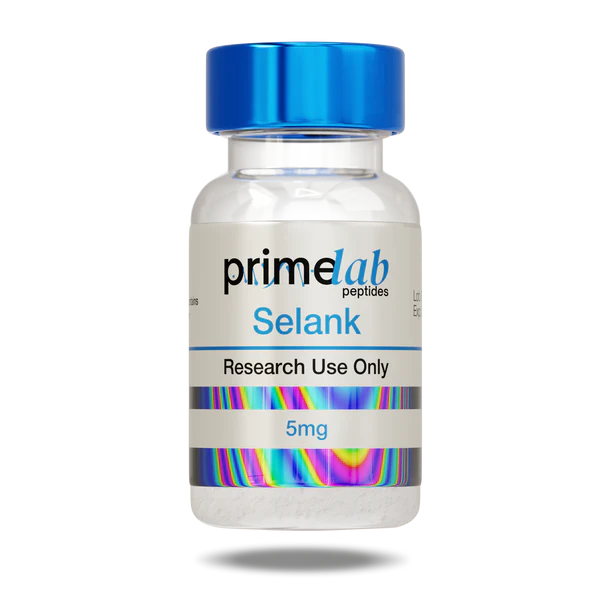
Selank 5mg: Benefits, Uses, Research & Complete Guide
Selank 5mg is a synthetic peptide derived from the naturally occurring immune peptide tuftsin. Originally developed in Russia, Selank has been studied for its potential effects on anxiety, cognitive function, memory, and emotional well-being. It is considered a nootropic peptide and has attracted interest for its possible influence on the central nervous system.
Although Selank has been used in research and clinical settings in some countries, it is not approved by the U.S. FDA and remains investigational in many regions.
What Is Selank?
Selank is a synthetic heptapeptide created by modifying the natural peptide tuftsin. Researchers have investigated its potential role in supporting cognitive performance and regulating stress-related responses without the sedative effects commonly associated with some anti-anxiety medications.
Unlike traditional anxiolytic drugs, Selank has been studied for its effects on neurotransmitter systems and immune signaling pathways.
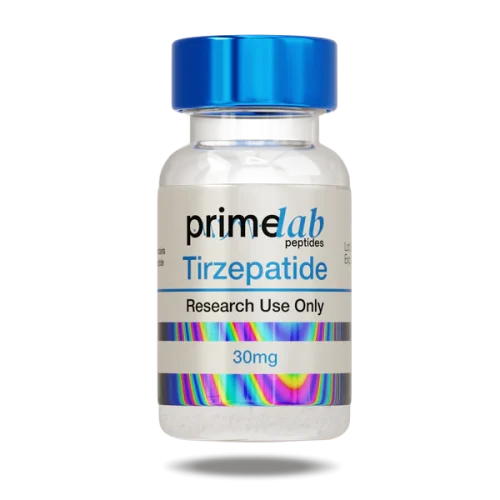
Package Contents
A typical Selank 5mg package generally includes:
- 1 lyophilized (freeze-dried) vial
- 5mg of Selank peptide
- Protective packaging
- Product labeling and batch information (manufacturer dependent)
How Does Selank Work?
Research suggests that Selank may influence several neurological pathways.
Potential mechanisms include:
- Modulation of neurotransmitters such as GABA, serotonin, and dopamine
- Investigation of stress-response pathways
- Study of cognitive function and memory processes
- Research into immune and neuroimmune interactions
Many of these findings come from preclinical or limited clinical studies, and further research is needed to establish safety and effectiveness.
Potential Research Applications
Researchers continue to investigate Selank in areas including:
- Anxiety research
- Stress response
- Cognitive function
- Memory and learning
- Attention and focus
- Emotional well-being
- Neuroprotection
- Neuroimmune research
These applications remain investigational and should not be interpreted as approved medical uses.
Why Is Selank Popular?
Selank has gained attention because it is being studied as a nootropic peptide that may influence both neurological and immune pathways. Interest has also grown due to reports from early studies suggesting possible effects on cognitive performance and stress-related responses, although robust clinical evidence remains limited.
Storage Guidelines
For optimal storage:
- Store in a cool, dry place.
- Protect from direct sunlight.
- Avoid excessive heat and moisture.
- Follow the manufacturer’s storage recommendations.
- If reconstituted, store according to the provided instructions.
Frequently Asked Questions
What is Selank?
Selank is a synthetic peptide derived from tuftsin and is being studied for its potential effects on cognition, stress responses, and emotional well-being.
Is Selank FDA approved?
No. Selank is not approved by the U.S. FDA and remains an investigational peptide in many countries.
Is Selank a nootropic?
Selank is commonly described as a nootropic peptide because research has explored its potential effects on cognitive function and memory. However, many of these proposed uses remain under investigation.
Can Selank be used without medical supervision?
No. Investigational peptides should not be self-administered outside appropriate medical or research settings.
Important Safety Information
Selank has not received regulatory approval for routine medical use in many countries. Safety, effectiveness, dosage, and long-term effects continue to be studied. Individuals should consult a qualified healthcare professional before considering any peptide-based treatment.
Final Thoughts
Selank 5mg is an investigational nootropic peptide that has generated scientific interest because of its potential effects on cognitive function, stress responses, and neurological health. While research continues to explore its mechanisms and applications, it remains an investigational compound in many regions. Always rely on peer-reviewed scientific literature, healthcare professionals, and official regulatory guidance for accurate and up-to-date information.
Reviews
There are no reviews yet.