
Description
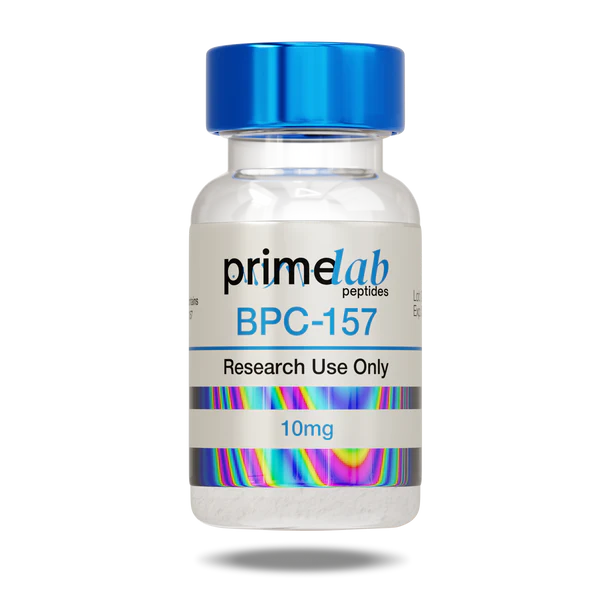
BPC-157 – 10mg: Research Peptide for Tissue Repair & Regenerative Studies
BPC-157 (Body Protection Compound-157) is one of the most widely researched peptides in regenerative medicine and tissue repair studies. Derived from a naturally occurring protective protein found in gastric juice, BPC-157 has attracted significant scientific interest for its potential role in supporting healing processes, angiogenesis, and cellular regeneration.
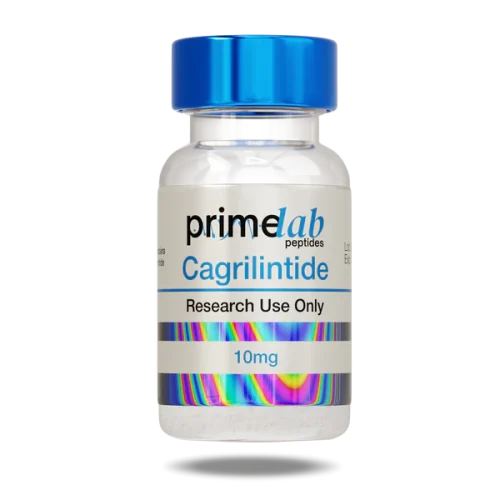
BPC-157 – 10mg is a high-quality research-grade peptide intended exclusively for laboratory and scientific research. It is designed to support investigations into tissue repair, musculoskeletal recovery, gastrointestinal biology, and regenerative mechanisms.
Research Use Only: BPC-157 – 10mg is intended solely for laboratory research and is not approved for human consumption or therapeutic use.
What is BPC-157 – 10mg?
BPC-157 (Body Protection Compound-157) is a synthetic peptide consisting of 15 amino acids. It is extensively studied for its potential involvement in tissue healing and cellular regeneration.
Researchers investigate BPC-157 for its possible effects on:
- Tissue repair
- Tendon and ligament regeneration
- Muscle recovery
- Wound healing
- Gastrointestinal research
- Angiogenesis (new blood vessel formation)
- Cellular protection
Its broad range of research applications has made BPC-157 one of the most recognized peptides in regenerative science.
Key Features of BPC-157 – 10mg
- High-purity research-grade peptide
- Convenient 10mg lyophilized vial
- Designed for laboratory research
- Suitable for regenerative biology studies
- Supports tissue repair and healing research
- Manufactured under strict quality standards
Potential Research Applications
1. Tissue Repair Research
BPC-157 is widely investigated for its potential role in promoting tissue regeneration.
Research focuses on:
- Soft tissue healing
- Cellular regeneration
- Connective tissue repair
- Recovery mechanisms
2. Tendon & Ligament Studies
Researchers continue to study BPC-157 for its possible effects on connective tissues.
Areas of investigation include:
- Tendon regeneration
- Ligament healing
- Collagen remodeling
- Connective tissue biology
3. Muscle Recovery Research
BPC-157 has become an important peptide in studies involving skeletal muscle repair.
Research includes:
- Muscle regeneration
- Recovery after injury
- Muscle tissue remodeling
- Cellular repair pathways
4. Gastrointestinal Research
Originally discovered in gastric tissue, BPC-157 is commonly studied for gastrointestinal biology.
Research areas include:
- Gastric tissue protection
- Intestinal healing
- Digestive tract biology
- Gastrointestinal regeneration
5. Angiogenesis Studies
Scientists investigate BPC-157 for its potential influence on blood vessel formation.
Research topics include:
- Angiogenesis
- Microcirculation
- Vascular biology
- Tissue oxygenation
6. Cellular Protection Research
Researchers also explore BPC-157 in studies involving cellular resilience and biological repair mechanisms.
Potential areas include:
- Cellular signaling
- Oxidative stress response
- Tissue resilience
- Healing pathways
Why Researchers Choose BPC-157 – 10mg
Researchers value BPC-157 – 10mg because it offers:
- High-purity peptide formulation
- Reliable laboratory-grade quality
- Broad regenerative research applications
- Convenient 10mg dosage
- Suitable for musculoskeletal and gastrointestinal studies
- Consistent quality for scientific investigations
Storage Guidelines
To maintain peptide stability:
- Store refrigerated at 2°C–8°C
- Protect from direct sunlight
- Keep the vial tightly sealed
- Avoid repeated freeze-thaw cycles
- Follow standard laboratory handling procedures
Frequently Asked Questions
What is BPC-157 – 10mg used for?
BPC-157 – 10mg is a research peptide used in laboratory studies involving tissue repair, tendon and ligament regeneration, muscle recovery, gastrointestinal biology, angiogenesis, and cellular repair.
Is BPC-157 – 10mg approved for human use?
No. BPC-157 – 10mg is intended for research purposes only and is not approved for human consumption or medical treatment.
What research fields use BPC-157?
Researchers investigate BPC-157 in:
- Regenerative medicine
- Tissue engineering
- Musculoskeletal research
- Gastrointestinal biology
- Vascular biology
- Cellular regeneration
- Peptide science
How should BPC-157 – 10mg be stored?
Store refrigerated between 2°C and 8°C, protected from light, and according to laboratory storage recommendations.
Why is BPC-157 important in scientific research?
BPC-157 is extensively studied because of its potential involvement in tissue regeneration, wound healing, angiogenesis, connective tissue biology, and cellular repair mechanisms.
Conclusion
BPC-157 – 10mg is a premium research-grade peptide developed for laboratories studying tissue repair, tendon and ligament regeneration, muscle recovery, gastrointestinal biology, angiogenesis, and cellular regeneration. Its broad scientific applications make it a valuable tool for advancing regenerative and peptide research.
Reviews
There are no reviews yet.