
Description
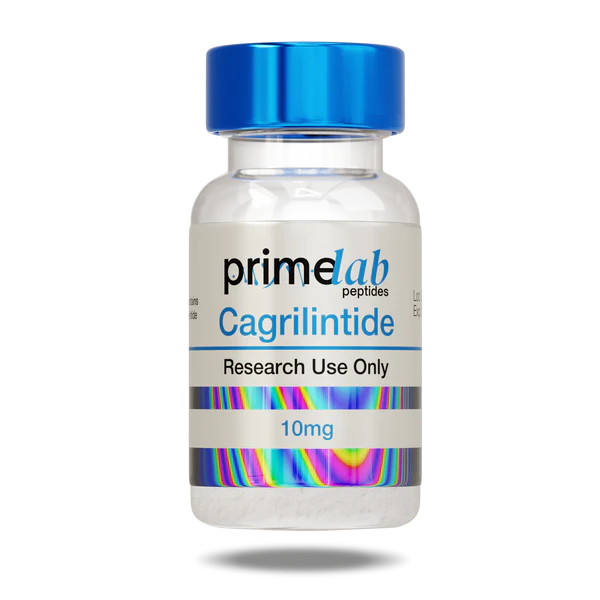
Cagrilintide 10mg: Benefits, Uses, Research & Complete Guide
Cagrilintide 10mg is a long-acting amylin analogue that has gained significant attention in obesity and metabolic health research. Amylin is a naturally occurring hormone released alongside insulin after meals and plays an important role in regulating appetite, satiety, and gastric emptying.
Cagrilintide is being studied both as a standalone therapy and in combination with semaglutide for chronic weight management. Although clinical trials have shown promising results, regulatory approval and availability vary by country.
What Is Cagrilintide?
Cagrilintide is a synthetic peptide designed to mimic the effects of amylin, a hormone naturally produced by the pancreas.
Researchers are investigating Cagrilintide because it may help regulate:
- Appetite
- Food intake
- Gastric emptying
- Energy balance
- Body weight
Its long-acting design allows sustained receptor activity in research settings.
Package Contents
A typical Cagrilintide 10mg package generally includes:
- 1 lyophilized (freeze-dried) vial
- 10mg of Cagrilintide peptide
- Protective packaging
- Product labeling and batch information (manufacturer dependent)
How Does Cagrilintide Work?
Cagrilintide acts by activating amylin receptors, which help regulate several metabolic processes.
Research suggests it may:
- Increase feelings of fullness (satiety)
- Reduce appetite
- Slow gastric emptying
- Support weight management in clinical research
- Complement GLP-1 receptor agonists when studied in combination
Researchers continue to evaluate its long-term effectiveness and safety.
Potential Research Applications
Current research is investigating Cagrilintide in areas including:
- Obesity
- Weight management
- Appetite regulation
- Type 2 diabetes
- Metabolic syndrome
- Energy balance
- Cardiometabolic health
Many of these applications remain under scientific investigation.
Why Is Cagrilintide Popular?
Cagrilintide has gained considerable attention because clinical studies suggest it may enhance weight reduction by targeting appetite through a different biological pathway than GLP-1 receptor agonists. Researchers are also evaluating the combination of Cagrilintide and Semaglutide (CagriSema), which has shown promising results in clinical trials.
Storage Guidelines
For best stability:
- Store in a cool, dry place.
- Protect from direct sunlight.
- Avoid excessive heat and moisture.
- Follow the manufacturer’s storage recommendations.
- After reconstitution, store according to the provided instructions.
Frequently Asked Questions
What is Cagrilintide?
Cagrilintide is a long-acting amylin analogue being investigated for obesity and metabolic health research.
Is Cagrilintide FDA approved?
Approval status varies by country. In many regions, Cagrilintide remains under clinical investigation and is not yet approved for routine medical use.
How is Cagrilintide different from GLP-1 medications?
Cagrilintide targets amylin receptors, while medications such as semaglutide primarily activate GLP-1 receptors. Researchers are studying whether combining these mechanisms may provide additional benefits.
Can Cagrilintide be used without medical supervision?
No. Investigational peptide products should not be self-administered outside appropriate medical or research settings.
Important Safety Information
Cagrilintide remains an investigational peptide in many jurisdictions. Its long-term safety, effectiveness, and optimal dosing continue to be evaluated in clinical studies. Individuals should use peptide products only under appropriate medical supervision and according to applicable regulations.
Final Thoughts
Cagrilintide 10mg is one of the most promising investigational peptides in obesity and metabolic health research. Its amylin-based mechanism offers a different approach to appetite regulation, and ongoing clinical trials continue to explore its potential as both a standalone therapy and in combination with GLP-1 receptor agonists. Always rely on peer-reviewed scientific literature, healthcare professionals, and official regulatory guidance for the latest information.
Reviews
There are no reviews yet.