
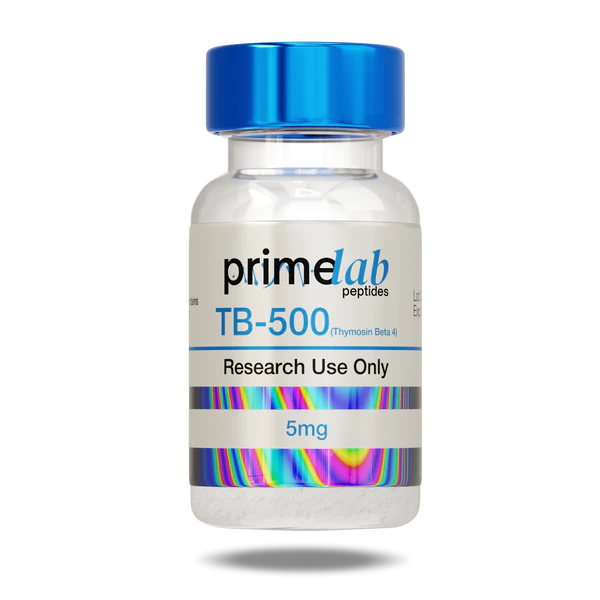
Description
TB-500 5mg: Benefits, Uses, Research & Complete GuideMeta Title: TB-500 5mg – Benefits, Uses, Research & Storage Guide
TB-500 5mg is a synthetic peptide related to Thymosin Beta-4 (Tβ4), a naturally occurring protein involved in cell migration and tissue repair. Researchers have investigated TB-500 for its potential role in wound healing, muscle recovery, tendon and ligament biology, and regenerative medicine. However, it is important to distinguish TB-500 from full-length Thymosin Beta-4, as most published human clinical studies have evaluated the full-length protein rather than the TB-500 fragment.
TB-500 remains an investigational peptide and is not approved by the U.S. FDA for routine medical use.
What Is TB-500?
TB-500 is a synthetic peptide fragment derived from Thymosin Beta-4, a naturally occurring protein found throughout the body. It has been studied primarily in laboratory and animal models for its potential effects on tissue repair, cell migration, and angiogenesis (formation of new blood vessels). Human clinical evidence specific to TB-500 remains limited.
Package Contents
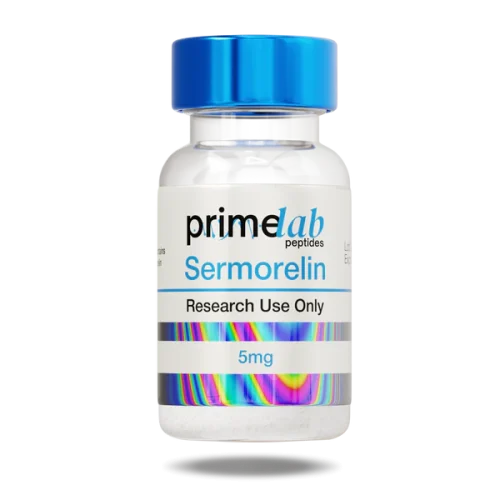
A typical TB-500 5mg package generally includes:
- 1 lyophilized (freeze-dried) vial
- 5mg of TB-500 peptide
- Protective packaging
- Product labeling and batch information (manufacturer dependent)
How Does TB-500 Work?
Research suggests TB-500 may influence several biological processes involved in tissue repair.
Potential mechanisms include:
- Supporting cell migration
- Influencing actin regulation within cells
- Promoting angiogenesis in experimental models
- Supporting wound-healing pathways
- Investigating connective tissue repair and remodeling
Most of these findings come from preclinical research, and they have not been confirmed in large, controlled human clinical trials.
Potential Research Applications
Researchers continue to investigate TB-500 in areas including:
- Tissue repair
- Wound healing
- Tendon research
- Ligament research
- Muscle recovery
- Connective tissue biology
- Sports medicine research
- Regenerative medicine
- Orthopedic research
These applications remain investigational and should not be interpreted as approved medical uses.
Why Is TB-500 Popular?
TB-500 has attracted attention because of encouraging laboratory and animal research involving tissue repair and cell migration. It is also frequently discussed alongside BPC-157 in research communities. However, evidence supporting TB-500 in humans is limited, and many claims made online are based on preclinical findings or studies of full-length Thymosin Beta-4 rather than TB-500 itself.
Storage Guidelines
For optimal storage:
- Store in a cool, dry place.
- Protect from direct sunlight.
- Avoid excessive heat and moisture.
- Follow the manufacturer’s storage recommendations.
- After reconstitution, store according to the recommended protocol.
Frequently Asked Questions
What is TB-500?
TB-500 is a synthetic peptide fragment related to Thymosin Beta-4 that is being studied for tissue repair and regenerative medicine research.
Is TB-500 FDA approved?
No. TB-500 is not approved by the U.S. FDA for routine medical use, and human safety and efficacy data remain limited.
Is TB-500 the same as Thymosin Beta-4?
No. TB-500 is a synthetic fragment, whereas Thymosin Beta-4 is the naturally occurring full-length protein. Most published clinical research has evaluated the full-length protein rather than TB-500.
Can TB-500 be used without medical supervision?
No. Investigational peptides should not be self-administered outside appropriate medical or research settings.
Important Safety Information
TB-500 remains under scientific investigation. Its long-term safety, effectiveness, and optimal use have not been established through large human clinical trials. Individuals should not use investigational peptide products except under appropriate medical supervision and in accordance with applicable laws and regulations.
Final Thoughts
TB-500 5mg is a synthetic peptide that continues to generate interest in regenerative medicine research because of its potential role in tissue repair and cellular regeneration. While preclinical studies are promising, robust human evidence remains limited, and many marketed claims are not yet supported by high-quality clinical trials. Always rely on peer-reviewed scientific literature, qualified healthcare professionals, and official regulatory guidance when evaluating investigational peptide products.
Reviews
There are no reviews yet.