
Description
GHK-Cu 100mg: Benefits, Uses, Research & Complete Guide
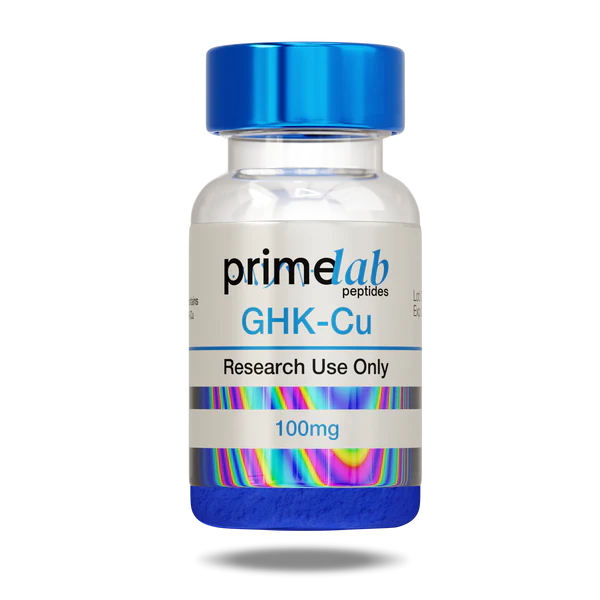
GHK-Cu 100mg is a copper-binding peptide that has become one of the most widely researched compounds in regenerative medicine and skincare. Naturally present in the human body, GHK-Cu (Glycyl-L-Histidyl-L-Lysine Copper) has been studied for its potential role in skin repair, collagen production, wound healing, hair follicle biology, and tissue regeneration. Natural levels of GHK-Cu decline with age, contributing to growing scientific interest in its biological functions.
This guide explains what GHK-Cu is, how it works, current research, storage recommendations, and important safety considerations.
What Is GHK-Cu?
GHK-Cu is a naturally occurring copper tripeptide composed of glycine, histidine, and lysine bound to a copper ion. It was first identified in human plasma and has since been found in saliva and urine. Researchers continue to investigate its role in tissue repair, skin remodeling, and cellular regeneration.
Package Contents
A typical GHK-Cu 100mg package generally includes:
- 1 lyophilized (freeze-dried) vial
- 100mg of GHK-Cu peptide
- Protective packaging
- Product labeling and batch information (manufacturer dependent)
How Does GHK-Cu Work?
Research suggests that GHK-Cu may support several biological processes involved in tissue repair.
Potential mechanisms include:
- Supporting collagen and elastin production
- Promoting skin remodeling
- Supporting wound-healing processes
- Providing antioxidant and anti-inflammatory activity
- Supporting hair follicle health in experimental models
Evidence is strongest for topical dermatologic applications, while many systemic uses remain investigational.
Potential Research Applications
Researchers continue to investigate GHK-Cu in areas including:
- Skin regeneration
- Collagen synthesis
- Wound healing
- Hair growth research
- Tissue repair
- Anti-aging research
- Cosmetic dermatology
- Regenerative medicine
Many of these applications remain investigational and should not be interpreted as approved medical uses.
Why Is GHK-Cu Popular?
GHK-Cu has gained significant attention because it is one of the most extensively studied copper peptides in dermatology. Research suggests it may help support skin quality, collagen production, and wound repair, particularly when used in topical formulations. However, injectable forms are not FDA-approved, and evidence for systemic use remains limited.
Storage Guidelines
For optimal storage:
- Store in a cool, dry place.
- Protect from direct sunlight.
- Avoid excessive heat and moisture.
- Follow the manufacturer’s storage recommendations.
- If reconstituted, use the recommended storage conditions provided by the manufacturer.
Frequently Asked Questions
What is GHK-Cu?
GHK-Cu is a naturally occurring copper-binding tripeptide that has been extensively studied for skin repair, collagen production, and tissue regeneration.
Is GHK-Cu FDA approved?
GHK-Cu is widely used as a cosmetic ingredient in topical skincare products, but injectable GHK-Cu is not approved by the U.S. FDA as a prescription drug.
What makes GHK-Cu unique?
Unlike many synthetic peptides, GHK-Cu occurs naturally in the human body and has decades of published research related to skin biology and wound healing.
Can GHK-Cu be used without medical supervision?
Injectable peptide products should not be self-administered without appropriate medical supervision. Individuals should follow local laws, regulations, and healthcare guidance.
Important Safety Information
GHK-Cu is an active area of scientific research. While topical copper peptide products are commonly used in cosmetics, injectable GHK-Cu has not been approved for routine medical use in many jurisdictions. Safety, effectiveness, and appropriate use continue to be evaluated.
Final Thoughts
GHK-Cu 100mg is among the most researched regenerative peptides available today. Its naturally occurring structure and decades of scientific investigation have made it a leading subject in studies of collagen production, skin repair, wound healing, and hair biology. Although research is promising, many proposed uses remain investigational. Always rely on peer-reviewed scientific literature, qualified healthcare professionals, and official regulatory guidance when evaluating peptide products.
Reviews
There are no reviews yet.