
Description
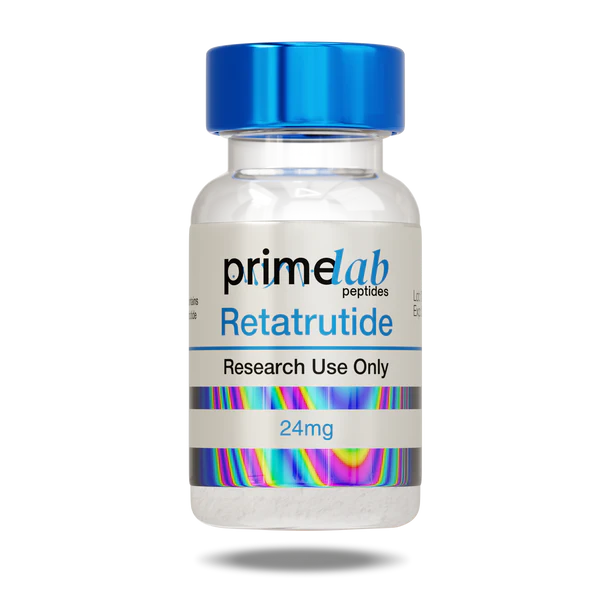
Retatrutide 24mg (10 Vials): Complete Guide to This Advanced Research Peptide
Retatrutide 24mg (10 Vials) is an investigational peptide that has attracted considerable interest in obesity and metabolic health research. Unlike traditional therapies that target a single receptor, Retatrutide is designed to activate GLP-1, GIP, and glucagon receptors simultaneously. This unique triple-action approach has made it one of the most promising compounds currently under clinical investigation.
If you’re looking to learn more about Retatrutide 24mg (10 Vials), this guide covers its mechanism, package contents, research applications, storage recommendations, and important safety information.
What Is Retatrutide?
Retatrutide is a next-generation investigational peptide developed to influence multiple metabolic pathways by activating:
- GLP-1 (Glucagon-Like Peptide-1) Receptor
- GIP (Glucose-Dependent Insulinotropic Polypeptide) Receptor
- Glucagon Receptor
Researchers are studying this triple-receptor activity for its potential role in metabolic regulation and obesity research.
Package Contents
A typical Retatrutide 24mg (10 Vials) package generally includes:
- 10 individually sealed lyophilized vials
- 24mg of Retatrutide per vial
- Protective packaging
- Product label and batch details (manufacturer dependent)
The lyophilized (freeze-dried) format is intended to help maintain stability during storage when handled according to the manufacturer’s recommendations.
How Does Retatrutide Work?
Retatrutide works by activating three important metabolic receptors simultaneously.
GLP-1 Receptor
GLP-1 receptor activation is associated with appetite regulation, delayed gastric emptying, and glucose metabolism.
GIP Receptor
The GIP receptor supports insulin response and works alongside GLP-1 pathways in metabolic regulation.
Glucagon Receptor
Activation of the glucagon receptor may contribute to increased energy expenditure and fat metabolism, making Retatrutide different from single-receptor therapies.
Potential Research Applications
Retatrutide is currently being investigated in research related to:
- Obesity
- Weight management
- Type 2 diabetes
- Metabolic syndrome
- Insulin resistance
- Cardiometabolic health
These areas remain under scientific investigation, and many potential uses have not received regulatory approval.
Why Is Retatrutide Popular?
Researchers continue to study Retatrutide because of its innovative triple-receptor design and encouraging clinical trial findings. Early studies have reported meaningful weight reduction and improvements in several metabolic markers among study participants, although additional research is needed to fully establish its long-term safety and effectiveness.
Storage Guidelines
For optimal storage:
- Store in a cool, dry place.
- Keep away from direct sunlight.
- Avoid excessive heat and moisture.
- Follow the manufacturer’s storage recommendations.
- If reconstituted in a research setting, follow the recommended storage protocol.
Frequently Asked Questions
What does the 24mg (10 Vials) package include?
It generally contains ten individual lyophilized vials, each labeled with 24mg of Retatrutide.
Is Retatrutide approved?
Approval status varies by country. In many regions, Retatrutide remains an investigational medicine undergoing clinical trials.
What makes Retatrutide different?
Retatrutide is designed to activate GLP-1, GIP, and glucagon receptors simultaneously, giving it a unique triple-action mechanism compared with earlier therapies.
Can Retatrutide be self-administered?
Individuals should not self-administer investigational peptides without appropriate medical supervision. Products should only be used in accordance with applicable laws and regulations.
Final Thoughts
Retatrutide 24mg (10 Vials) represents an important advancement in metabolic health research. Its triple-receptor mechanism has generated significant scientific interest and encouraging clinical data, but it remains an investigational compound in many countries. As research progresses, Retatrutide may contribute to a better understanding of obesity and metabolic disease. Always rely on peer-reviewed scientific evidence, healthcare professionals, and official regulatory guidance when evaluating investigational therapies.


Reviews
There are no reviews yet.