
Description
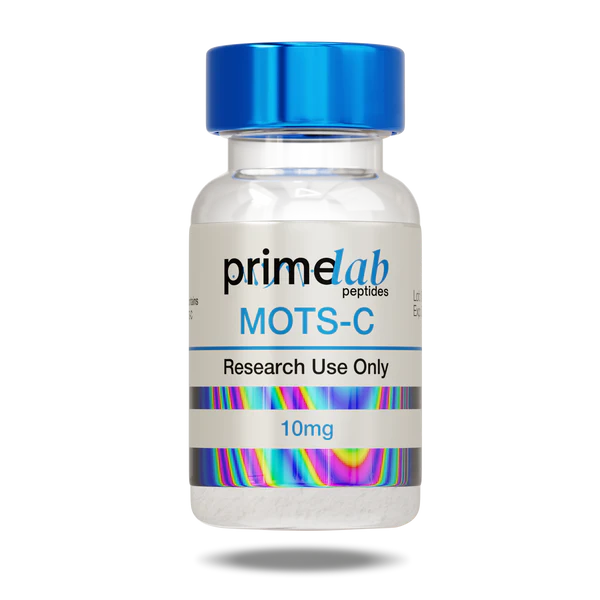
MOTS-C 10mg: Benefits, Uses, Research & Complete Guide
MOTS-C 10mg is a synthetic version of a naturally occurring mitochondrial-derived peptide (MDP) that has attracted growing interest in metabolic and longevity research. Unlike many traditional peptides, MOTS-C originates from mitochondrial DNA and has been investigated for its potential role in energy metabolism, insulin sensitivity, exercise physiology, and healthy aging.
Although research findings are promising, MOTS-C remains an investigational peptide and is not approved as a prescription medication in many countries.
What Is MOTS-C?
MOTS-C (Mitochondrial Open Reading Frame of the 12S rRNA Type-C) is a naturally occurring peptide encoded within mitochondrial DNA. It plays a role in cellular metabolism and has been studied for its influence on how cells respond to metabolic stress.
Researchers continue to investigate MOTS-C because of its potential role in maintaining metabolic balance and mitochondrial function.
Package Contents
A typical MOTS-C 10mg package generally includes:
- 1 lyophilized (freeze-dried) vial
- 10mg of MOTS-C peptide
- Protective packaging
- Product labeling and batch information (manufacturer dependent)
How Does MOTS-C Work?
Research suggests that MOTS-C may help regulate cellular energy metabolism through several biological pathways.
Potential mechanisms include:
- Supporting mitochondrial function
- Influencing glucose metabolism
- Improving insulin sensitivity in experimental models
- Activating cellular stress-response pathways
- Supporting metabolic adaptation during physical activity
Most current evidence comes from laboratory and animal studies, and further human clinical research is needed.
Potential Research Applications
Researchers are investigating MOTS-C in areas including:
- Metabolic health
- Healthy aging research
- Exercise physiology
- Insulin sensitivity
- Mitochondrial biology
- Glucose metabolism
- Obesity research
- Muscle metabolism
- Longevity research
These applications remain investigational and should not be interpreted as approved medical uses.
Why Is MOTS-C Popular?
MOTS-C has gained attention because it is one of the first identified mitochondrial-derived peptides with potential metabolic regulatory functions. Early research has suggested possible benefits in cellular energy regulation and metabolic resilience, but its long-term safety and clinical effectiveness have not yet been established.
Storage Guidelines
For optimal storage:
- Store in a cool, dry place.
- Protect from direct sunlight.
- Avoid excessive heat and moisture.
- Follow the manufacturer’s storage recommendations.
- After reconstitution, store according to the provided instructions.
Frequently Asked Questions
What is MOTS-C?
MOTS-C is a naturally occurring mitochondrial-derived peptide being studied for its role in metabolism, energy regulation, and healthy aging.
Is MOTS-C FDA approved?
No. MOTS-C is considered an investigational peptide and is not approved by the U.S. FDA for routine medical use.
What makes MOTS-C unique?
Unlike most peptides, MOTS-C is encoded by mitochondrial DNA rather than nuclear DNA, making it a unique focus of metabolism and longevity research.
Can MOTS-C be used without medical supervision?
No. Investigational peptides should not be self-administered outside appropriate medical or research settings.
Important Safety Information
MOTS-C remains under scientific investigation. Its safety, effectiveness, appropriate dosage, and long-term effects have not been fully established. Individuals should consult a qualified healthcare professional before considering any investigational peptide.
Final Thoughts
MOTS-C 10mg is one of the most promising mitochondrial-derived peptides currently under investigation for metabolic health and healthy aging. While early research has generated considerable scientific interest, many proposed uses remain experimental. Anyone interested in MOTS-C should rely on peer-reviewed scientific literature, qualified healthcare professionals, and official regulatory guidance for accurate and up-to-date information.

Reviews
There are no reviews yet.